What is Hypertension

Published On - August 19, 2023
Hypertension
Hypertension is high blood pressure, a very common condition in
older adults. Blood pressure is the physical force exerted by the blood as it
pushes against the walls of the arteries. Blood pressure readings are written
in two numbers separated by a line. The top number represents the systolic
blood pressure and the bottom number represents the diastolic pressure. The
systolic blood pressure is the pressure in the arteries as the heart contracts
pushing the blood forward. The diastolic pressure is the pressure in the
arteries as the heart relaxes.
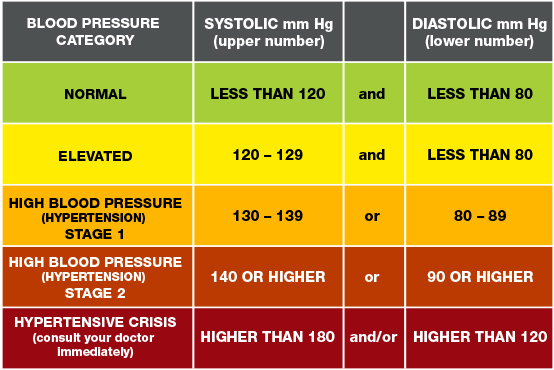
Normal blood pressure is below 120/80. New guidelines from the
American Heart Association (AHA) and the American College of Cardiology (ACC)
published in November of 2017 consider blood pressure elevated between 120/80
and 129/80. High blood pressure or hypertension is now classified as stage 1 if
your systolic reading falls between 130 and 139 or your diastolic reading is
between 80 and 89. A measure of 140/90 or higher is now considered stage 2
hypertension. A hypertensive crisis
is defined as a systolic rate over 180 or a diastolic rate above 120. An
elevated blood pressure means that the heart must work harder to pump blood.
High blood pressure can also damage the walls of the arteries. Over time,
hypertension increases the risk of heart disease, kidney disease, and stroke.
It is estimated that one in three adults in America are affected by
hypertension.
High blood pressure is more common in older people. At age 45,
more men have hypertension than women. By age 65, this is reversed and more
women are affected. People with diabetes have a greater risk of hypertension
than those without diabetes. Having a close family member with high blood
pressure also increases your risk of developing it. About 60% of all people
with diabetes also have hypertension.
Hypertension may not produce any symptoms, even if you have had it
for years. That’s why it is sometimes referred to as a "silent killer." It’s estimated
that 1 out of every 5 people with high blood pressure aren’t aware that they
have this major risk factor for strokes and heart attacks. If not properly
treated, high blood pressure can damage the heart and circulation, lungs,
brain, and kidneys without causing noticeable symptoms. Symptoms of high blood
pressure may be present in those who have an extremely high blood pressure.
Symptoms of extremely high blood pressure include the following:
- Severe headaches
- Fatigue
- Vision problems
- Chest pain
- Difficulty breathing
- Irregular heartbeat
- Blood in the urine
- Pounding in the chest, neck, or ears
Write a public review